Dental Practice · Endodontics
Root Canal Therapy
Endodontic treatment to save teeth that would otherwise need extraction.
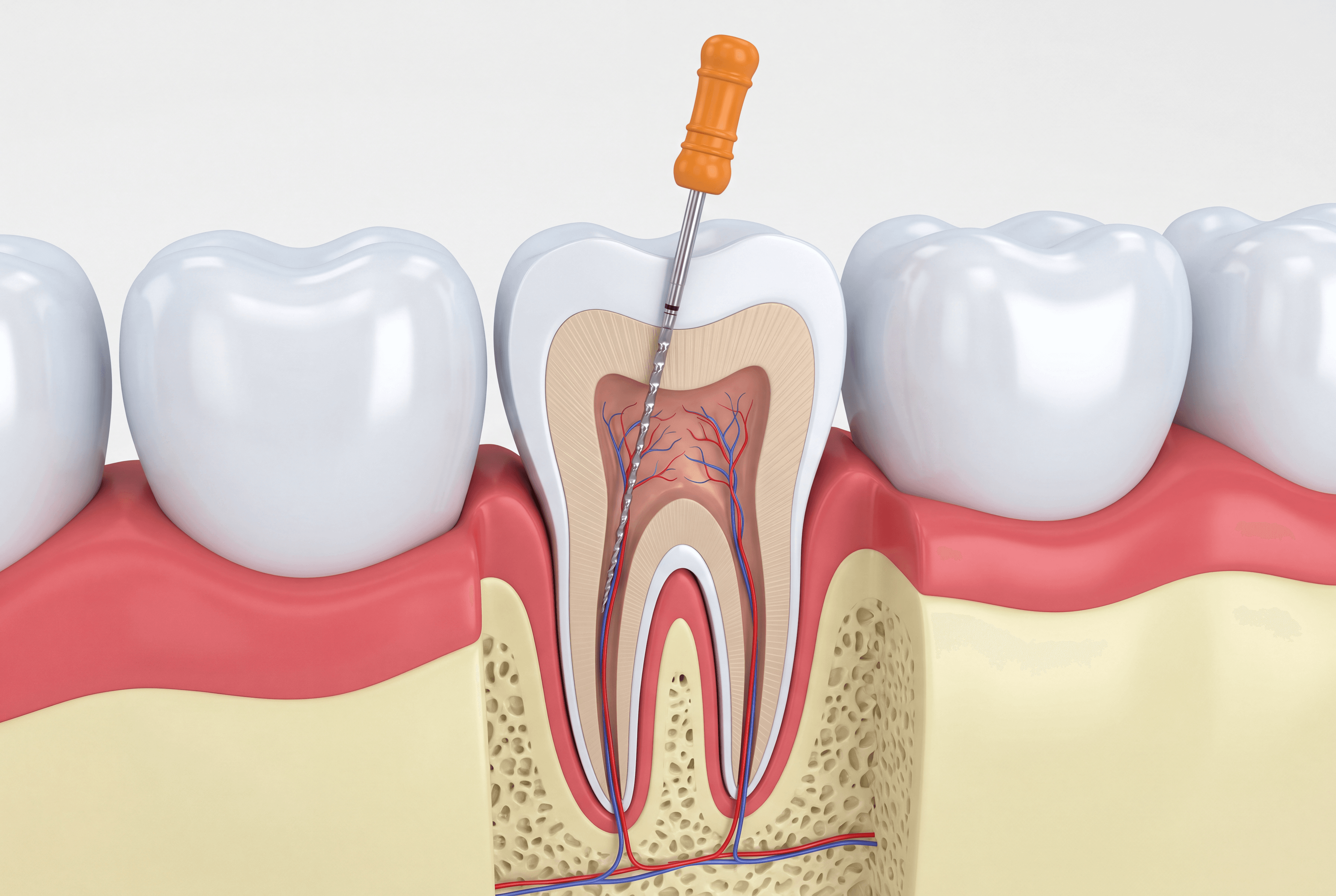
Root canal therapy saves a tooth that would otherwise need to be extracted. When decay reaches the pulp (the soft tissue inside the tooth containing the nerve and blood supply), or when trauma, a crack, or a leaking crown causes the pulp to become infected or inflamed, the infection cannot resolve on its own. The tooth needs to be either treated or removed. Root canal therapy cleans and seals the canals, removes the source of infection, and allows the tooth to remain in the mouth functioning normally. The procedure has a reputation for discomfort that belongs to an older era of dentistry. Modern root canal therapy, performed under adequate local anesthesia, is not significantly different from having a filling placed. Most patients who are anxious beforehand are surprised by how uneventful the experience actually is. An access opening is made through the crown of the tooth. The pulp, nerve tissue, and bacteria are removed using a series of files, and the canal system is shaped to receive the permanent filling material. Irrigation with disinfecting solutions throughout the procedure addresses the bacterial load that instruments alone cannot reach. The cleaned canals are then sealed with a material called gutta-percha, which prevents reinfection. Most cases are completed in a single appointment; multi-rooted teeth or cases with more complex anatomy may require a second visit. After root canal treatment, the tooth needs a permanent restoration — most posterior teeth require a crown to protect against fracture, since the treated tooth becomes more brittle without its vital tissue.